The Ultimate Faisalabad Textile Industry Guide for Global Buyers
Faisalabad Textile Industry Guide: Sourcing, Manufacturing, Exports
Overview: The Foundation of Pakistan’s Economy
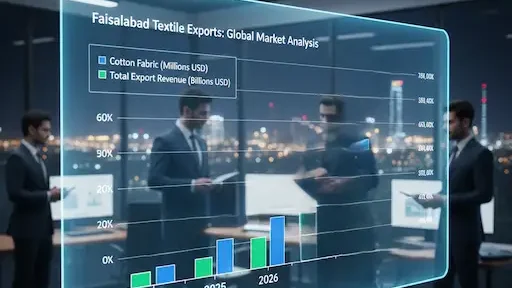
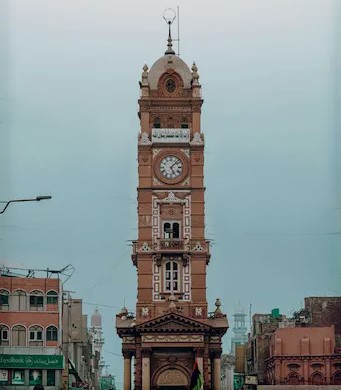
Known as the “Manchester of Pakistan”, Faisalabad is a titan in the world of textiles. The purpose of this Faisalabad Textile Industry Guide is to give businessmen, buyers from other countries, and industry supporters a comprehensive understanding of how this city drives the global cloth supply chain. By 2026, Faisalabad has evolved into a high-tech centre of innovation, accounting for more than 60% of Pakistan’s total textile exports. It is no longer just a place for traditional weaving. The first step to success is knowing the local industrial landscape, regardless of whether you’re looking for finished fashion apparel or raw greige fabric.
The Textile Hub’s Development
The city’s history must be acknowledged in any thorough guide to the Faisalabad textile industry. The growth has been growing from the early days of cotton ginning during the colonial era to the current special economic zones (SEZs). Thousands of facilities, from massive, vertically integrated composite mills to small-scale power looms, are located in the city today. The establishment of the M-3 Industrial City (FIEDMC) has strengthened Faisalabad’s standing as a top location for textile-related foreign direct investment (FDI).
Important Areas of the Textile Industry in Faisalabad
The four pillars of production must be understood in order to deal with this market:
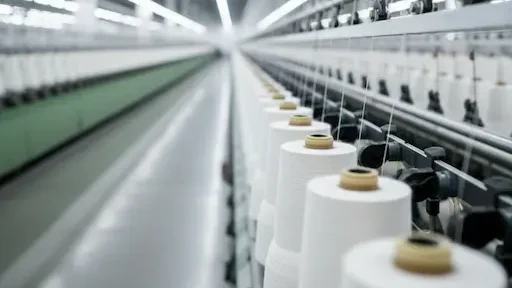
The spinning industry : is where premium yarn is made from raw cotton. The spinning mills in Faisalabad use the newest German and Japanese equipment to create carded and combed yarn in counts ranging from 10s to 80s.
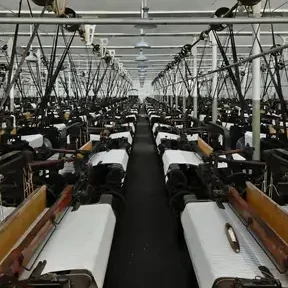
The sector with the greatest amount of looms in the area is the weaving industry. This industry uses cutting-edge Air-Jet and Rapier technology to create everything from simple cotton fabric to luxurious sateen and twill fabrics.
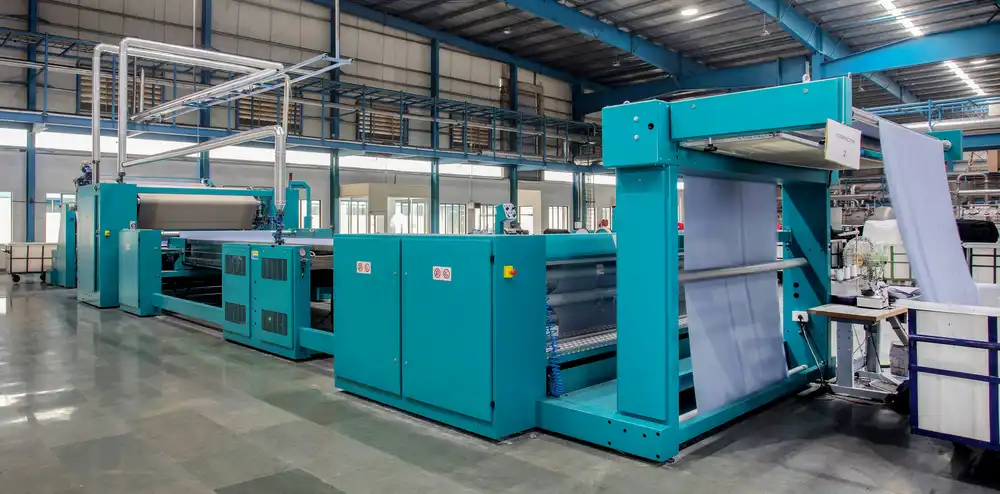
The magic of colour occurs in the processing and dyeing sector. Local processing facilities meet the stringent colour-fastness requirements of the US and EU markets by specialising in digital printing, rotary printing, and continuous dyeing.
Value-Added & Stitching: Clothing : Hosiery, and home textiles (such as bedding, towels, and curtains) are manufactured in the last step and exported to leading international retail brands.
How to Purchase in Bulk: A Guide to Sourcing
We stress the strategic value of sourcing straight from the source in this Faisalabad Textile Industry Guide. There is a noticeable pricing advantage to purchasing in bulk from Faisalabad.
Direct Mill Access: Buyers can save procurement expenses by 15–20% by avoiding middlemen.
Customisation: Local producers provide custom fabric designs that let you specify the fabric’s width, thread count, and GSM.
Lead Times: Faisalabad provides some of the fastest turnaround times for large orders in South Asia thanks to its substantial manufacturing base.
Technical Details and Standards of Quality
The modern textile industry in Faisalabad is known for its high quality. The following technological standards should be wanted by foreign buyers:
Fabric Weaves: Jersey, Canvas, Twill, Percale, and Sateen.
Certifications: The majority of export-focused mills hold social compliance certifications from WRAP, OEKO-TEX Standard 100, and ISO 9001.
Sustainable Fibres: To meet the demands of the environmentally conscious global consumer, there will be a significant shift in 2026 toward blends of organic cotton and recycled polyester (rPET).
Sustainability: Textiles’ Eco-Friendly Future
The environment cannot be disregarded in a modern Faisalabad Textile Industry Guide. The sector has made significant investments in:
ETPs: Making sure that industrial waste is cleaned up before being disposed of.
Solar Energy: Spinning and weaving facilities are now powered by huge solar farms, which lowers the carbon footprint of each metre of cloth produced.
Water Conservation: Modern dyeing equipment uses 30% less water than earlier techniques.
Getting Around the Local Markets: Montgomery Bazar to Tata Market
Faisalabad provides a distinctive market experience for people on the ground:
The commercial hub for yarn and greige cloth is Tata Market.
The centre for retail distribution and completed wholesale fabrics is Montgomery Bazar & Cloth Market.
To navigate these busy markets and make sure you obtain the correct quality at the appropriate price, foreign visitors must have a local partner like Sohaib Textile.
Infrastructure for International Export and Logistics
The world is strategically connected to Faisalabad.
Faisalabad Dry Port: Enables smooth container handling and customs clearance.
Motorway Connectivity: For exports by sea, the M-4 and M-2 motorways offer a quick route to Karachi Port and Port Qasim.
Air Freight: Faisalabad International Airport provides cargo flights to international hubs for high-value clothing and urgent samples.
Opportunities and Difficulties in 2026
The sector has a lot of customers, but it also faces challenges like shifting energy prices. The textile industry in Faisalabad has entered a golden age as a result of international clients moving from expensive areas to Pakistan’s competitive manufacturing base. Businesses that value sustainability and digital are setting the standard.
How Sohaib Textile Bridges the Gap for International Buyers
For foreign companies, negotiating the huge expanse of the Faisalabad textile industry can be difficult. Sohaib Textile is your committed sourcing and inspection partner in this situation. We offer a whole end-to-end procurement service rather than merely locating suppliers. We assist our international clients to gain the most competitive factory-direct pricing while upholding strict quality standards by using our strong connections within the Faisalabad industrial sector.
Our staff serves as your “eyes and ears” on the ground, handling complex logistics from the factory floor to the Faisalabad Dry Port, conducting thorough 4-point fabric inspections, and checking mill compliance. Sohaib Textile guarantees a transparent, safe, and stress-free bulk fabric sourcing experience for both small fashion brands and large-scale wholesalers.
Conclusion: The Importance of a Local Specialist
This Faisalabad Textile Industry Guide concludes by showing that although the business is profitable, local knowledge is necessary due to its complex nature. We at Sohaib Textile serve as your market regulators, making sure that your sourcing process is open, moral, and successful. We make sure the “Manchester of Pakistan” delivers exactly what your brand deserves, from inspecting the final shipment to auditing factories.