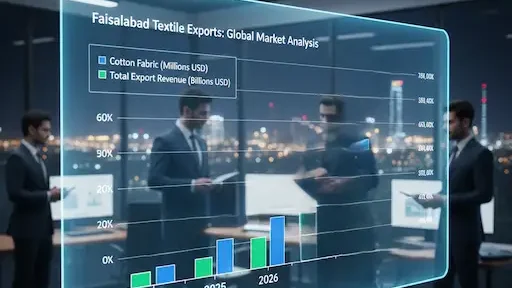
Why Choose Faisalabad Textile Industry Hub Pakistan
Faisalabad Textile Industry Hub Pakistan: The City Of Textiles
The sound of looms never truly stops in one Pakistani city. Where centuries of families have centred their entire lives on a single industry, and where the air is stained with the gentle scent of cotton and dye. Faisalabad is that city, and it needs much more attention than it typically receives from anyone interested in textiles, industry, or South Asia’s economic core.
The Worh of Faisalabad Textile Industry Hub Pakistan
The words “Faisalabad Textile Industry Hub Pakistan” isn’t just used in financial reports. Here, billions of dollars’ worth of fabric, yarn, and clothing are created annually, supporting worldwide supply lines that reach from London to Los Angeles. It is a living, breathing reality.
However, Faisalabad’s tale is more complex than its numerical values. It is about overcoming challenges, perseverance, creativity, and an industry that keeps going when the cards are stacked against it.
How Faisalabad Became Pakistan’s Textile Capital
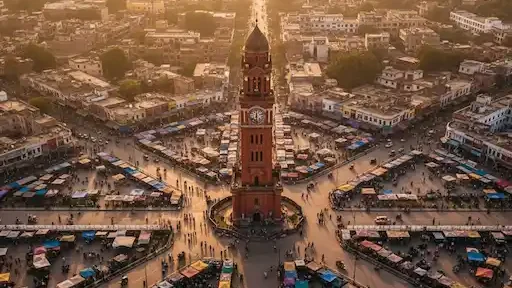
Faisalabad was not always a big industrial city. In the late 19th century, it was called Lyallpur. The British built the city to be a center for farming and trade.
The Clock Tower Design
They designed the famous Clock Tower (Ghanta Ghar) with eight markets around it. This clever design helped local trade grow very fast.
Post-Independence Growth
After Pakistan became independent in 1947, Faisalabad began to change. Since Punjab produced a lot of cotton, it was a great idea to build factories nearby. First came the spinning units, and then the weaving factories. Very quickly, Faisalabad became the heart of the country’s textile business.
The Manchester of Pakistan
By the end of the 20th century, the city got a famous nickname: “The Manchester of Pakistan.” This was a big title. Just like Manchester was once the world’s leader in cloth making, Faisalabad was now leading the way in our part of the world.
What Makes Faisalabad Textile Industry Hub Pakistan So Significant
You must consider the value of textiles to Pakistan overall in order to fully understand why Faisalabad is so important and call now Faisalabad Textile Industry Hub Pakistan.
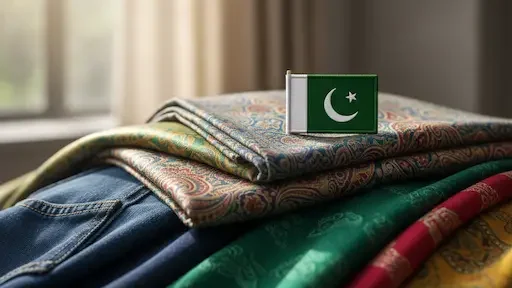
One of the biggest producers and exporters of cotton worldwide is Pakistan. Approximately 60% of the nation’s overall export revenue comes from the textile industry. Millions of people are directly and indirectly employed by it, and it provides support to many small businesses, including packaging firms, transport contractors, and thread suppliers.
Why Faisalabad is a Textile Leader
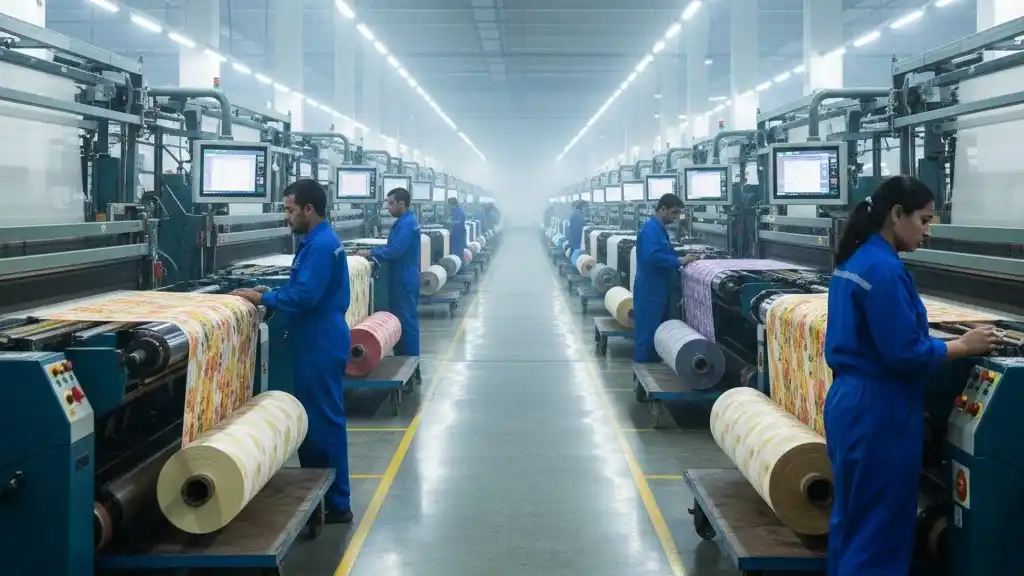
Faisalabad is home to thousands of power looms and hundreds of textile mills. The city handles everything in one place. This includes cleaning raw cotton, spinning yarn, making fabric, and stitching clothes. Because everything is done locally, the whole production chain is very strong.
Decades of Real Experience
The real strength of the Faisalabad textile industry is its deep knowledge. For decades, workers and business owners here have learned every detail of the trade. They truly understand what international markets need.
A Global Reach
Our manufacturers have years of experience serving customers in Europe, North America, and the Middle East. This level of skill and trust cannot be copied by any other city overnight. It is this long history of hard work that keeps Faisalabad ahead of its rivals.
Challenges Facing the Faisalabad Textile Industry
The Faisalabad textile industry Hub Pakistan has faced some very tough times recently. But these problems are helping the city learn and grow. Here is why the path has been difficult:
The Energy Crisis
Power shortages have been the biggest hurdle. When power goes out, factories have to stop. This leads to delayed orders and unhappy buyers. Many mills now use their own generators, but that makes the cost of production much higher.
Rising Costs and Inflation
Inflation and the falling value of our currency have made it hard to keep profits up. Factory owners are caught in a difficult spot: the cost of raw materials like cotton is rising, but international buyers want lower prices.
Tough Global Competition
Countries like Bangladesh, Vietnam, and India are growing very fast. They are now strong rivals. China is also a major player with high-tech factories. To stay in the game, the Faisalabad textile industry Hub Pakistan cannot stay the same—it must innovate.
Infrastructure Gaps
Moving goods from the factory to the port is still difficult. Better roads, logistics, and port connections are needed to save time and money. Delays in shipping can be very expensive for exporters.
Why Faisalabad Is Rising Again?
It would be easy to think that Faisalabad’s best days are over. But that is not true. The city is taking bold steps to fix these issues. This is not the end; it is actually a new, “quiet comeback” for the city’s industry.
The Quiet Comeback: Why Faisalabad Is Rising Again
Over the past few years, the Faisalabad Textile Industry Hub Pakistan has seen a big change. The city is shifting toward automation to compete globally and win more international business.
Faster Adoption of Technology
Technology is moving very fast. Many textile producers in the city are now investing in automated systems and digital quality controls. The goal of these upgrades is not just to work faster, but to meet the strict rules that foreign customers now require. Factories that once used manual work are now using computers to make every product perfect and reduce waste.
Moving Toward Value-Added Goods
For many years, Faisalabad mostly sold basic materials like raw yarn or simple grey cloth. Now, there is a clear shift toward high-value products. Manufacturers are producing specialty fabrics, branded home textiles, and finished clothing. Moving up this value chain is necessary for the Faisalabad Textile Industry Hub Pakistan to thrive in today’s tough global market.
New Leadership and Fresh Ideas
A new generation of businesspeople is now leading the market. Many of these leaders studied abroad or learned about international markets through the internet. They have a deep understanding of branding, e-commerce, and global rules. This fresh approach is helping the industry move forward in ways that were not possible before.
Exploring New Export Markets
Manufacturers in the Faisalabad Textile Industry Hub Pakistan are no longer dependent on only a few old customers. They are finding new and stable revenue sources. By building connections with buyers in Asia, Eastern Europe, and Africa, the industry is becoming much more stable.
Support for Better Competitiveness
Even though there are still challenges, government support has been helpful. Steps like investment in industrial zones, better energy rates for factories, and export incentives have contributed to the strength of the industry. These efforts are helping the city stay competitive against global rivals.
The Human Side of Faisalabad’s Textile Story
It is easy to talk about numbers and GDP, but behind every statistic, there is a real person. The Faisalabad Textile Industry Hub Pakistan is built on the hard work of thousands of families.
Real People, Real Stories
Think of the worker from Faisalabad who has run a loom for thirty years and is now teaching his son the same skill. Or the woman working from her home, creating beautiful designs that will one day be sold in a European store. Think of the young manager trying to convince her father to buy eco-friendly machines to save water and help the environment. These are the people whose lives are connected to the Faisalabad Textile Industry Hub Pakistan.
The Need for Progress
The story of our city is not just about success; it is also about the challenges workers face. The industry has not always treated everyone fairly. There is still much to do regarding worker safety, fair pay, and labor rights.
As the Faisalabad Textile Industry Hub Pakistan continues to grow, we must do better. Business owners, government officials, and global brands all need to work together to improve working conditions. To tell the full story of our city, we must be honest about these challenges and work hard to fix them.
What the Future Holds for Faisalabad Textile Industry Hub Pakistan
The future of the Faisalabad Textile Industry Hub Pakistan is not guaranteed, but there is plenty of reason for hope. As the industry modernizes, it continues to lead the national economy.
Global Demand and Sustainability
The world will always need textiles. Today’s buyers care more about quality, safety, and being eco-friendly. By proving our reliability, the Faisalabad Textile Industry Hub Pakistan can win more international orders. If we have the right policies and continue to invest in better machines, our city will be a top choice for global brands.
Embracing Green Energy
Sustainability is no longer just a trend—it is a must. Adopting organic cotton, using solar energy, and saving water during the dyeing process are the keys to success. To stay ahead of the competition, our factories must focus on these “green” methods to satisfy global buyers who want clean and responsible products.
The Power of Digital Growth
Digital tools are changing how we do business. With e-commerce and online sourcing platforms, local manufacturers can now reach customers directly all over the world. Factories in the Faisalabad Textile Industry Hub Pakistan that learn to use these digital tools will find it much easier to grow their sales compared to the past.
A City Built on Pride
Finally, our reputation is more than just about money—it is about our culture. The people of Faisalabad are proud of their work. This creates a strong community where people share knowledge and support each other. This spirit of cooperation is a special strength that no other city can easily copy.
Final Thoughts
The story of the Faisalabad Textile Industry Hub Pakistan is still being written. It is a journey of a city that grew from simple cotton fields into a massive industrial power.
A Legacy of Hard Work
Our city’s history is full of struggle and success. We have faced real problems, and we know that many hard-working people have suffered because of these difficulties. However, this is also a story of great willpower.
Building a Better Future
We were once called the “Manchester of Pakistan,” but we can do even better. If we use our experience to make smart investments, focus on eco-friendly ways of working, and promise to provide the best quality, the future of the Faisalabad Textile Industry Hub Pakistan will be our most successful chapter yet.
Click here to read our company
Q1: What makes the Faisalabad Textile Industry Hub Pakistan globally competitive?
The industry combines decades of skilled craftsmanship with modern automation. Its ability to handle everything—from cleaning raw cotton to stitching final garments—in one place gives it a massive advantage in speed and quality.
Q2: How is the industry dealing with environmental challenges?
Factories in the Faisalabad Textile Industry Hub Pakistan are now focusing on sustainable practices, such as using solar energy, reducing chemical use, and implementing water-efficient dyeing techniques to meet international “green” standards.
Q3: Is the Faisalabad Textile Industry Hub Pakistan moving toward automation?
Yes, leading mills are rapidly adopting AI-driven quality controls and automated machinery. This shift is helping them reduce manual errors, cut down on waste, and meet the high-quality demands of foreign buyers.
Q4: What role does the new generation play in this sector?
The new generation of business leaders is bringing in fresh ideas, global education, and a strong understanding of e-commerce, digital branding, and international compliance, which is helping the industry reach new markets globally.
Q5: How can the industry overcome the current energy and infrastructure challenges?
By working closely with the government to improve logistics, port connectivity, and energy tariffs, the sector can reduce costs. Continued investment in dedicated industrial zones remains the key to long-term growth.