The Global Impact of the Faisalabad Textile Industry
Faisalabad, often referred to as the “Manchester of Pakistan,” stands as the beating heart of the country’s textile industry. This industrial powerhouse contributes significantly to Pakistan’s economy, with the Faisalabad textile industry playing a pivotal role in both national development and international trade.
Historical Background and Evolution
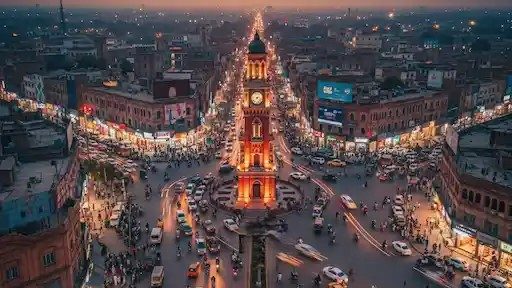
Faisalabad’s textile history started before Pakistan was made. At that time, the city was called Lyallpur. The first textile mill opened in 1930. Since then, the industry has changed a lot. It started with simple spinning and weaving. Today, Faisalabad is a major hub for all kinds of textile manufacturing.”
Faisalabad is in the middle of Punjab’s cotton area. This location is perfect for making clothes and fabric. The city has plenty of raw materials and good weather for textile work. Today, there are more than 450 textile units here. These include spinning mills, weaving units, and garment factories.
Economic Significance
The Faisalabad textile industry is the backbone of Pakistan’s economy. It gives about 8.5% to the national GDP. This sector provides jobs to millions of people. This makes it one of the largest employers in the country.
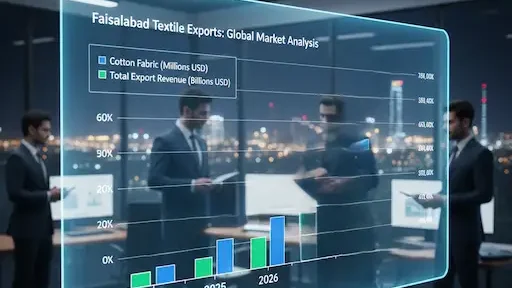
Pakistan earns almost 60% of its foreign money from textile exports. Faisalabad provides a big part of these exports. The city makes high-quality cotton yarn and different fabrics. It also produces home textiles and ready-made clothes. These products are sent to many countries, including the USA, China, and Europe
Manufacturing Capabilities
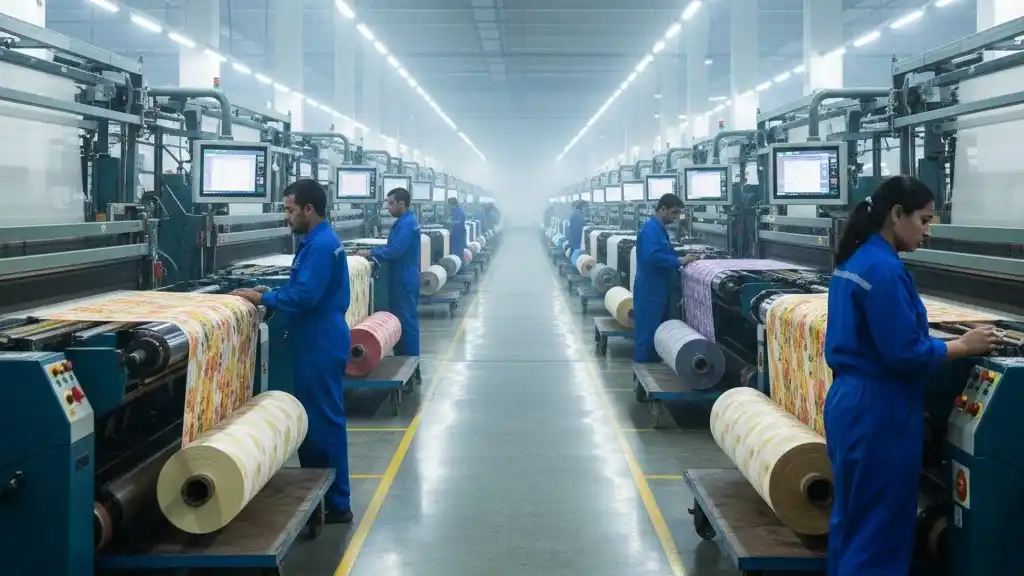
The manufacturing strength of the Faisalabad textile industry lies in its vertical integration. The city possesses complete value chain capabilities, from cotton ginning to finished garment production. This comprehensive infrastructure includes:
Spinning Sector: Faisalabad houses hundreds of spinning mills equipped with state-of-the-art machinery, producing millions of kilograms of yarn daily. These mills process both domestic and imported cotton to create various yarn counts suitable for different textile applications.
Weaving Units: The city’s power loom and shuttleless loom facilities produce diverse fabric varieties, from basic grey cloth to specialized technical textiles. The weaving sector has modernized significantly, incorporating computerized looms and automated quality control systems.
Processing and Dyeing: Advanced dyeing, printing, and finishing facilities give Faisalabad’s textile products their competitive edge. These units employ modern techniques including digital printing, reactive dyeing, and eco-friendly processing methods.
Garment Manufacturing: The ready-made garment sector represents the fastest-growing segment of the Faisalabad textile industry. Modern cutting-edge facilities produce everything from basic apparel to high-fashion garments for international brands.
Challenges Facing the Industry
Even with its great success, the Faisalabad textile industry faces some tough problems today. Energy shortages are a major issue. Frequent power cuts disturb work and increase production costs. To fix this, many factories now use their own power generators. However, this makes the products more expensive and harder to sell in the global market.
Other key hurdles include the following:
Eco-Friendly Pressure: Today, the world wants “green” products. The Faisalabad textile industry must focus on saving water and using fewer chemicals. Good waste management is now a must, even though it requires more investment.
High Raw Material Costs: The rising price of cotton has lowered profit margins for many owners. This makes it difficult for the Faisalabad textile industry to keep prices low.
Old Machinery: Many small and medium factories still use old machines. This slows down work and affects the quality of the fabric. To compete with countries like India and Vietnam, we need better technology.
Modernizing the Faisalabad Textile Industry
The Faisalabad textile industry is changing fast. Business leaders know that to stay ahead, they must use new ideas and better technology. Today, several big steps are being taken to improve the whole sector:
Government Support: The government is helping by providing easy loans for new machinery. They are also building “special economic zones.” These areas have better roads, stable power, and easier rules to help the Faisalabad textile industry grow.
New Machines and Automation: Factories are now buying modern machines that work faster. This reduces the need for manual work and makes production more efficient.
Smart Technology: Leading mills are starting to use computers and artificial intelligence (AI) to check fabric quality. This ensures that every product is perfect before it leaves the factory.
Educational institutions in Faisalabad: Such as the National Textile University, are producing skilled professionals equipped with modern knowledge and technical expertise. This human resource development is crucial for the industry’s long-term competitiveness.
Future of Faisalabad Textile Industry
The future of the Faisalabad textile industry looks very shiny. The international customer wants speedy services and high-quality goods. Faisalabad is ready to meet these needs by using new technology. Many factories are now using solar power to save energy and reduce costs. This helps them stay strong in the global market.
Innovation in printing & Weaving
Digital printing and smart weaving are also becoming common. These modern methods help make better designs for international buyers. By focusing on quality and new ideas, Faisalabad will continue to lead Pakistan’s exports. The industry is not just about making cloth; it is about building a better economy for the next generation. This growth will bring more jobs and more success to the city.
Diversity of Faisalabad Textile Products
First, Faisalabad is not making fabric. The city makes many different products for people all over the world. First, it is famous for home textiles. This includes soft bedsheets, warm blankets, and high-quality towels and kitchen accessories. Many hotels and homes in Europe use these products made in Faisalabad.
Second, the city is a leader in ready-made garments. From simple T-shirts to denim jeans, the factories here use the best machines. They export fabric for big global brands. These fabrics are comfortable, stylish, and long-lasting.
Third, Faisalabad produces industrial fabrics. These are special fabrics used in hospitals, cars, and building work. Because the city has so many spinning and weaving units, it can make any kind of fabric as per the buyer’s needs. This variety is the main reason Faisalabad is called the ‘Manchester of Pakistan.‘
Conclusion: The Future of Our Industry
The Faisalabad textile industry is the most important part of Pakistan’s economy. With its large factories and skilled workers, the sector has big room for growth. However, to reach this goal, both factory owners and the government must work together.
The future of the Faisalabad textile industry depends on fixing a few key things:
- Solving energy problems.
- Buying new machines.
- Using eco-friendly methods.
- Making better quality products.
Today, global buyers want products that are made responsibly. Faisalabad must show the world that it is a safe and green manufacturing hub. We were once called the “Manchester of Pakistan,” and now we can become a global center for new ideas. With the right investment and planning, the Faisalabad textile industry will continue to help Pakistan grow for many years to come.
Q1: What is the main problem facing the Faisalabad textile industry?
The biggest challenges are high energy costs and power shortages. These issues increase production costs and make it harder for local mills to compete with other countries like India and Bangladesh.
Q2: Why is the Faisalabad textile industry called the “Manchester of Pakistan”?
It claimed this title decades ago because it is the largest hub for textile production in the country. Just as Manchester in the UK was famous for fabric, Faisalabad is known globally for its massive fabric and garment exports.
How is technology changing the textile sector in Faisalabad?
Many leading mills are now using automation, artificial intelligence (AI), and modern machinery. These tools help improve fabric quality, reduce waste, and speed up the manufacturing process to meet global standards.
Is the Faisalabad textile industry moving towards eco-friendly practices?
Yes, there is a big shift towards “green” textiles. Many factories are now focusing on saving water, using fewer chemicals, and adopting solar energy to meet the demands of international buyers who want sustainable products.
Q5: What role does the government play in supporting Faisalabad’s textiles?
The government helps by providing easy loans for buying new machines and setting up special economic zones (SEZs). These zones offer better roads and infrastructure to help exporters grow their businesses.