A Guide to Microfiber vs Polycotton Bed Sheets
Introduction
When anyone decides to buy bed sheets, most people focus on the design, but the fabric determines the quality of their sleep. In today’s market, choosing between Microfiber vs Polycotton bed sheets is the most common dilemma for shoppers, yet these two materials offer completely different experiences.
While microfiber is celebrated for its silk-like softness, polycotton is the champion of durability and breathability. Especially in the textile sector like Faisalabad, where heat and comfort are top priorities, understanding the pros and cons of Microfiber vs Polycotton bed sheets is essential. In this guide, we reveal 7 secret facts about these fabrics to help you make the right choice before you spend your hard-earned money. See the table below and compare Microfiber and polycotton. This table will help to find which one is suitable for you.
| Feature | Microfiber (100% Synthetic) | Polycotton (Cotton Blend) | Winner |
|---|---|---|---|
| Feel | Silky & Velvety Soft | Crisp & Firm | Microfiber |
| Breathability | Low (Retains Heat) | High (Stays Cool) | Polycotton |
| Durability | Good (Thin Fibers) | Exceptional (Tear-resistant) | Polycotton |
| Wrinkle Resistance | Excellent (Iron-free) | Good (Minimal Ironing) | Microfiber |
| Pilling (Boor) | Prone to Pilling | Highly Resistant | Polycotton |
| Price | Very Affordable | Mid-Range | Microfiber |
What is Microfiber? Softness, Budget, and Hidden Facts
If you are looking to buy a silky feel without disturbing your budget, first you should understand the benefits of Microfiber vs Polycotton bed sheets; this is the first step. But what exactly is microfiber?
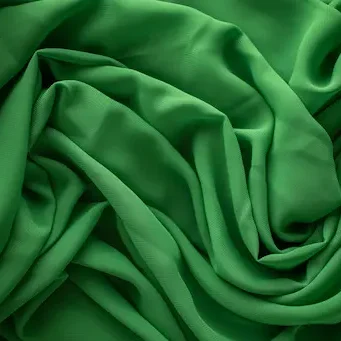
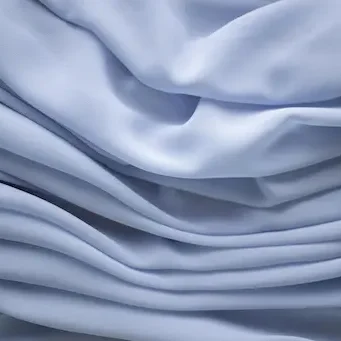
Microfiber is a synthetic material typically made from a blend of polyester and nylon. The fibers are extremely fine, finer than a strand of silk, which allows them to be woven into a very dense and soft fabric. When you compare Microfiber vs Polycotton bed sheets, microfiber is often the winner for due to his velvety touch.
1. The Ultimate Softness (The Cloud Feel)
The biggest reason people in Pakistan are shifting towards microfiber is the texture. Unlike traditional cotton, which can feel crisp, microfiber has a brushed finish. In the debate of Microfiber vs Polycotton bed sheets, microfiber feels incredibly soft against the skin from the very first night, and it stays soft even after multiple washes.
2. The Best Budget-Friendly Option
From a business perspective in the Faisalabad textile market, microfiber is a game-changer for budget shoppers. It is much cheaper to produce than 100% cotton or high-end polycotton. If you want a premium look on a tight budget, choosing microfiber bedsheets can save you a significant amount of money while maintaining a luxury aesthetic.
3. Durability and Maintenance
Microfiber is a busy person’s fabric. Here is why it stands out in the Microfiber vs Polycotton bed sheets comparison:
- Wrinkle-Free: You can take them out of the dryer and put them straight on the bed—no ironing needed.
- Stain Resistant: Because the weave is so tight, liquids don’t soak in immediately, giving you time to wipe away spills.
- Fast Drying: Unlike heavy cotton, microfiber dries in half the time, which is a huge plus during the humid monsoon season.
What is Polycotton? The Perfect Blend of Strength and Comfort
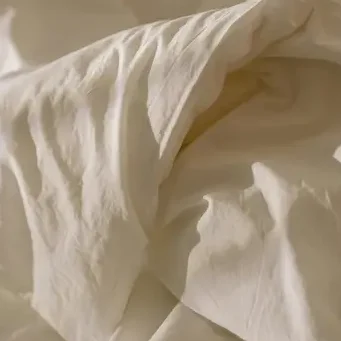
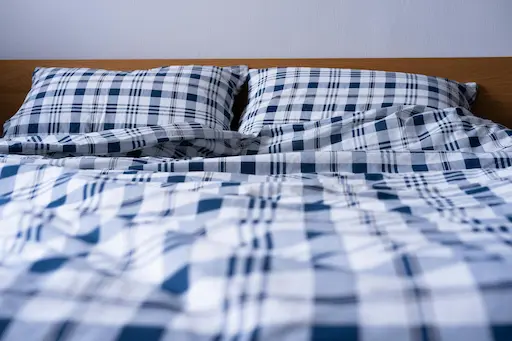
If you are looking for durability, understanding the unique composition of Microfiber vs Polycotton bed sheets is vital. Polycotton is a “hybrid” fabric, created by blending natural cotton with synthetic polyester (usually in a 50/50, 65/35, or 80/20 ratio).
This blend is specifically made to take the best qualities of both worlds: the breathability of cotton and the strength of polyester. When you compare Microfiber vs Polycotton bed sheets, polycotton stands out as the more “breathable” and “heavy-duty” option.
1. Exceptional Durability (Built to Last)
Polycotton is famous for its “durability.” Unlike 100% cotton, which can shrink, or 100% microfiber, which can thin out, polycotton holds its shape for years. In the Faisalabad textile industry, we recommend Polycotton for hotels and large families because it can bear hundreds of machine washes without losing its structural shape.
2. Wrinkle-Resistant and Easy Care
One of the biggest advantages in the Microfiber vs Polycotton bed sheets debate is the maintenance. While pure cotton requires heavy ironing, the polyester in polycotton prevents deep creases. It is highly wrinkle-resistant, meaning your bed looks excellent and neat with very little effort, perfect for busy households.
3. Superior Breathability (The Cooling Effect)
The “secret weapon” of polycotton is its ability to circulate air. Because it contains natural cotton fibers, it doesn’t trap heat like 100% synthetic fabrics. If you live in a hot climate, choosing Microfiber vs Polycotton bed sheets can be the difference between a sweaty night and a cool, comfortable sleep.
Key Differences: Microfiber vs Polycotton Bed Sheets
Choosing between Microfiber vs Polycotton bed sheets often comes down to three critical factors: how cool they stay, how they look after washing, and how long they actually last. Let’s break down the “Big Three” differences that impact your sleep quality.
1. Cooling & Breathability (Beat the Heat)
The most significant difference in the Microfiber vs Polycotton bed sheets debate is temperature regulation.
- Microfiber: Since it is 100% synthetic, it acts like a tight weave that traps body heat. It’s great for cold winter nights but can feel “suffocating” in summer.
- Polycotton: Thanks to the natural cotton blend, it allows air to circulate. In a hot and humid climate like Pakistan’s, or in any other hot country, polycotton is the best choice for keeping your body temperature regulated throughout the night.
2. Pilling
Nothing ruins a bedsheet faster than “pilling”—those annoying little fuzzy balls that appear on the surface.
- Microfiber: High-quality microfiber is resistant to pilling, but cheaper versions tend to “pille” after just a few washes.
- Polycotton: Because it’s a blend, it is much more reliable. When comparing Microfiber vs Polycotton bed sheets,polycotton usually wins the pilling test, staying smooth and fresh-looking for much longer.
3. Life-span & Durability
How many washes can your sheet survive?
- Microfiber: It is made of very thin fibers. While strong, these fibers tend to wear out and become “see-through” over time.
- Polycotton: This is a heavy-duty fabric. The combination of polyester’s strength and cotton’s flexibility gives it massive durability. If you want sheets that stay in your cupboard for 3-4 years without tearing, polycotton is the champion in the Microfiber vs Polycotton bed sheets comparison.
Our Recommendation: Which Fabric Should You Choose?
After analyzing the pros and cons of Microfiber vs Polycotton bed sheets, the final choice depends on your personal comfort and the weather in your region. Based on our years of experience in the textile industry, here is our definitive recommendation:
1. Best for Summer (The Cooling Choice)
If you want to buy sheets for the hot summer months (April to September), we highly recommend polycotton.
- Why? The cotton content allows your skin to breathe and helps absorb moisture. In the intense heat of cities like Faisalabad or Lahore, Polycotton will keep you much cooler than synthetic alternatives. When it comes to Microfiber vs Polycotton bed sheets for summer, polycotton is the undisputed king.
2. Best for Winter (The Cozy Choice)
When the temperature drops and you want a warm, snuggly bed, microfiber is the better option.
- Why? Microfiber’s weave is excellent at trapping body heat. It provides an instant “cozy” feeling as soon as you get into bed. If you prefer a soft, silk-like touch during the chilly months, Microfiber is your best bet in the Microfiber vs Polycotton bed sheets debate.
3. Best for Commercial Use (Hotels & Hostels)
For guest houses, hostels, or rental properties, we recommend Polycotton. Its ability to withstand frequent heavy washing and its resistance to pilling make it a more cost-effective long-term investment.
Conclusion
Choosing between Microfiber vs Polycotton bed sheets ultimately comes down to your lifestyle. If you are looking for a silky, budget-friendly option that requires zero ironing, microfiber is your best friend. However, if you live in a hot climate like Pakistan and want a durable, breathable fabric that lasts for years, polycotton is the superior investment.
Whatever you choose, make sure to check the blend ratio and wash care instructions to keep your bedding fresh for a long time.
Frequently Asked Questions (FAQs)
Q1. Which is better for sensitive skin, microfiber or polycotton?
Answer: For highly sensitive skin, Polycotton is generally better because it contains natural cotton fibers that allow the skin to breathe. While microfiber is hypoallergenic, its synthetic nature can sometimes trap sweat, which may irritate sensitive skin in hot weather.
Q2. Does polycotton shrink after washing?
Answer: One of the biggest advantages of polycotton over 100% cotton is that it resists shrinking. Because of the polyester blend, these sheets maintain their size and shape even after multiple machine washes.
Q3. Is microfiber hotter than cotton or polycotton?
Answer: Yes, microfiber tends to be warmer. Since it is made of fine synthetic fibers, it has less breathability compared to Microfiber vs Polycotton bed sheets. It is excellent for winter but can feel hot during the peak summer season.
Q4. How long do microfiber sheets last?
Answer: High-quality microfiber sheets can last 2–3 years. However, they are thinner than polycotton. If you want something that lasts 5+ years with heavy use, polycotton is the more durable choice.
If you have any questions, please comment in the comment box. It will be our pleasure to reply to you.