Cotton vs Polycotton vs Microfibre: Best Bed Sheets Guide
Why Choose Cotton vs Polycotton vs Microfiber Bed Sheets?
| Feature | Cotton Bed Sheets | Poly-Cotton | Microfiber |
|---|---|---|---|
| Coolness | High (Cool) | Medium | Low (Warm) |
| Wrinkles | Low (Easily) | High (Few) | Excellent (None) |
| Durability | Long Lasting | Very Strong | Medium |
| Price | Expensive | Affordable | Cheapest |
Cotton Bed Sheets: The Natural King of Bedding
A natural fibre with outstanding skin-friendly properties is cotton. Its remarkable flexibility, which keeps you cool and comfortable even on hot summer evenings, is the main factor behind its appeal. Pure cotton is definitely the finest choice if you’re seeking for allergenic bed linens that shield your skin from allergies and are deciding between cotton, polycotton, and microfibre.
Superior Softness: One special quality of cotton is that it gets softer and more easy with each wash.
High Absorbency: It efficiently absorbs sweat and moisture, providing a dry and refreshing night’s sleep.
The Downside of Pure Cotton
There are some difficulties to take seriously, though. Because pure cotton wrinkles rapidly, it needs to be ironed frequently to keep its fresh appearance. After the first few washes, it may also somewhat shrink. Cotton is also typically more expensive than synthetic alternatives, but for many people, the natural comfort makes the difference.
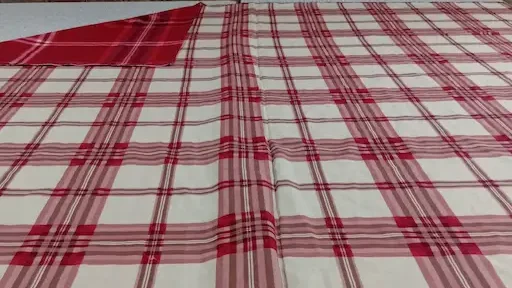
Cotton Bed Sheet
Polycotton Bed Sheets: The Best Practical Solution in the Cotton vs Polycotton vs Microfiber Bed Sheets Comparison
When discussing the ultimate bedding guide Polycotton must be included in the discussion over the best bedding guide between Cotton vs Polycotton vs Microfibre Bed Sheets. This fabric is a creative combination of synthetic polyester and natural cotton, typically in ratios of 50/50 or 65/35, that combines the best qualities of both materials while removing their drawbacks as well.
The Polycotton Blends’ Engineering
In the market for bed linens, polycotton is specifically designed to last longer than cotton or microfibre. Polycotton has a strong, strong structure, whereas microfibre is soft but thin, and pure cotton is breathable but weak. Because it may thrive on industrial-grade washing without losing its form or colour, this fabric is the most popular option for export-quality hotel bedding in Faisalabad’s textile centres.
Key Benefits of Choosing Polycotton Over Others
Unmatched Strength and Durability: Polycotton’s durability is a major factor in the decision between cotton, polycotton, and microfibre bed sheets. The sheets are resistant to ripping and wear because of the additional strength provided by the polyester fibres.
Superior Wrinkle Resistance: Polycotton is your greatest friend if you dislike ironing. Its “memory” keeps it smooth and level on the mattress, giving your bedroom a neat, professional appearance all day and night.
Fast Drying and Easy Care: Compared to 100% cotton, polycotton keeps dyes significantly better. This means that your dark colours and bright prints won’t disappear after a few washes.
Colour Retention: Even though it is an excellent all-arounder, there are a few “hidden facts” to take into account when comparing cotton, polycotton, and microfibre bed linens. It lacks the “cool-to-the-touch” feeling that 100% pure cotton offers due to the presence of synthetic fibres. It may be a little less breathable for some people in very wet regions without air conditioning. However, the price-to-comfort ratio is outstanding for 90% of modern homes.
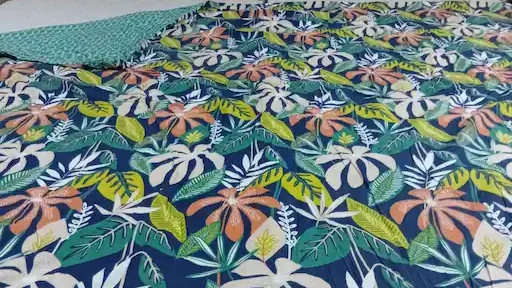
Poly Cotton Bed Sheet
The Trade-offs: What You Need to Know
Even though it is an excellent all-rounder, there are a few “hidden facts” to take into account when comparing Cotton vs Polycotton vs Microfibre Bed Sheets. It lacks the “cool-to-the-touch” sensation that 100% pure cotton offers due to the presence of synthetic fibres. It may be a little less breathable for some people in very humid regions without air conditioning. Nonetheless, the price-to-comfort ratio is outstanding for 90% of contemporary homes.
Expert Recommendation for Buyers
I frequently suggest polycotton to clients looking for a “set-and-forget” bedsheet because I work as a textile specialist at Sohaib Textile. For people who think microfibre is too thin and pure cotton is too costly, it’s the perfect compromise.
Microfiber Bed Sheets: The High-Tech Choice in the Cotton vs Polycotton vs Microfiber Bed Sheets Battle
The most recent and affordable competitor in the Cotton vs Polycotton vs Microfiber Bed Sheets comparison, we encounter the most modern and budget-friendly contender: Microfiber. Unlike cotton which grows in a field, Microfiber is a masterpiece of textile engineering. It is made from extremely fine strands of synthetic material (usually polyester and nylon) that are even thinner than a human hair or a strand of silk.
The Science of Softness: Why Microfiber Feels So Silky
Because of its “buttery soft” feel, microfibre has become extremely common in the competitive marketplace for bed linens, which is ruled by Cotton vs Polycotton vs Microfiber Bed Sheets. The cloth feels wonderfully smooth against the skin since the fibres are so deeply connected. Microfibre is the best option for those who value a warm, comfortable bed without breaking the bank on costly silk.
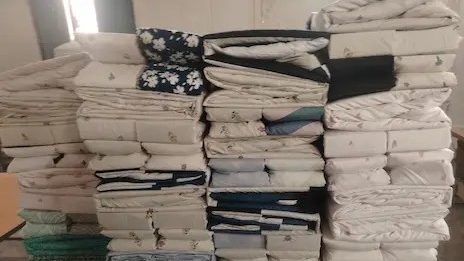
Micro Fabric Bed Sheet
The Major Advantages of Microfiber Fabric
Unbeatable Affordability: Microfibre bed sheets are far more affordable than cotton or polycotton when compared side by side. It enables people to regularly update the design of their bedrooms without having to make significant financial commitments.
Water and Stain Resistance: Microfiber’s extremely tight weave makes it naturally resist liquids for only a short amount of time. It is a “Life-Saver” for households with children or dogs since you have a few seconds to wipe away dropped coffee or water before it soaks in.
Non-Fading Colours: Microfiber’s capacity to retain colour is one of its best-kept secrets. Microfibre maintains its brightness and vibrancy for years, but 100% cotton may appear drab after 20 washes.
Protection from Allergies: Due to the fabric’s tight weave, dust mites and other allergens have a hard time getting through. Because of this, it’s a fantastic option for anyone with seasonal indoor allergies.
The Negative Aspects: The Heat Factor
Every fabric has a downside. In the context of Cotton vs Polycotton vs Microfiber Bed Sheets, the biggest ” LOSS ” of Microfiber is its low breathability. Since it is essentially made of fine plastic-based fibers, it does not allow air to circulate as freely as natural cotton.
In a hot climate like Faisalabad, a Microfiber sheet might feel “sweaty” if you don’t have an air conditioner. It tends to trap body heat, which is great for cold winter nights but can be a struggle during a 40°C summer.
Durability vs. Thickness
Customers frequently make the mistake of thinking that a thin microfibre sheet is weak. In contrast, premium “brushed microfibre” is surprisingly strong. It does not, however, have the “weight” or “crispness” of a high-end hotel sheet made of cotton.
Secret Textile Facts: The Truth Behind Thread Count and Fabric Quality
When it comes to choosing between Cotton vs Polycotton vs Microfiber Bed Sheets, most customers focus on only one number: thread count (TC). However, did you know that in the modern textile industry, thread count is often used as a marketing scam to trick buyers?
The Thread Count Myth: Why Higher Isn’t Always Better
Many companies claim that the thread count of their bed linens is 800, 1000, or even 1500. In reality, it is technically impossible to pack that many premium threads into one square inch. Manufacturers use “multi-ply” yarns, which twist multiple thin, weaker fibres together and count each one separately, to get these fake figures. A thread count of 300 to 400 is considered the ideal range for luxury in cotton bed linens. Anything beyond 500 is frequently a marketing trick that really reduces the sheet’s airflow and makes it heavier.
For Microfiber Bed Sheets: There is no such thing as thread count! Microfibre’s quality is measured in GSM (Grams per Square Metre) since it is made up of extremely tiny synthetic strands. In the event that a seller offers you “1200 TC Microfibre”, they are simply using misleading terms to support a greater price.
Hidden Facts You Should Know Before Buying : To avoid costly mistakes, examine these industry secrets before choosing between Cotton vs Polycotton vs Microfiber Bed Sheets
Pilling Problem: The short polyester fibres in poor polycotton blends often break and mix with the cotton fibres, resulting in the formation of tiny, sticky balls on the surface that are referred to as “pilling”. Always search out “combed cotton” blends, which use longer, smoother fibres, to prevent this.
Chemical Softening Agents: Microfibre isn’t naturally soft because it’s mainly plastic. A chemical finish is frequently applied by manufacturers to give it that “silky” feel. Expert Advice: To get rid of these substances and avoid skin irritation, always wash brand-new microfibre or polycotton sheets before using them.
The “Cooling” Fabric Myth: No synthetic material, such as microfibre or polyester, can be truly “cooling”. The reason a synthetic sheet feels cool is not the fibre itself, instead a particular sateen or percale weave that allows some airflow. 100% natural cotton is still the clear winner when it comes to true cooling.
The Secret of Durability
A high-quality polycotton sheet will frequently last longer than a pure cotton sheet, which is a secret that many sellers won’t tell you. The synthetic resilience of the polycotton blend keeps the fabric from thinning out over time, making it a better long-term investment if you are managing a high-traffic home or guest house.
Expert Summary: Making the Right Choice
Choosing the perfect bedding can be a struggle for anyone, but understanding the core differences between Cotton vs Polycotton vs Microfiber bed sheets is the first step toward better sleep. While pure cotton offers unmatched breathability, Cotton vs Polycotton vs Microfiber bed sheets performance varies greatly in terms of wrinkle resistance and warmth. Many homeowners find that comparing Cotton vs Polycotton vs Microfiber bed sheets helps them align their budget with their comfort needs. Whether you prioritize the durability of a poly-blend or the softness of synthetic fibers, evaluating Cotton vs Polycotton vs Microfiber bed sheets ensures long-term satisfaction. Ultimately, your personal climate and skin sensitivity should guide your final decision among these popular materials for your home.
Conclusion: Making the Right Choice
hoosing the winner in the Cotton vs Polycotton vs Microfiber Bed Sheets comparison depends entirely on your lifestyle and priorities. If you want the ultimate breathable and natural luxury, 100% Cotton is the best choice. For those who need a durable, wrinkle-free, and long-lasting fabric for daily use, Polycotton is the most practical middle ground. However, if you are looking for an ultra-soft feel on a tight budget, Microfiber is the way to go.
At Sohaib Textile, we recommend evaluating your local climate and washing habits before making a purchase. No matter which fabric you choose, always prioritize quality over marketing gimmicks like fake thread counts to ensure a comfortable and healthy sleep every night.